Appearance
Learning from Manufacturing to Succeed in the World of Software
Listen to the audio version of this text.
Resource management remains crucial in every industry across the board. As time and materials get allocated for use, there must be strong reasoning behind where they get spent.
Standardization is key in ensuring that the energy of the work is not getting wasted on taking unneeded steps backward. All industries, from car companies and component manufacturers to companies making medical devices must ensure that resources are not drained by having to keep working over and over on the base schematics instead of putting out product.
Standardization can also benefit an enterprise of software development in two ways:
- Absorbing the attitude of efficiency and productivity of standardizing into the iterative processes of coding
- Creating a feedback loop of trust and excitement with the user as the product is in dialogue with them.
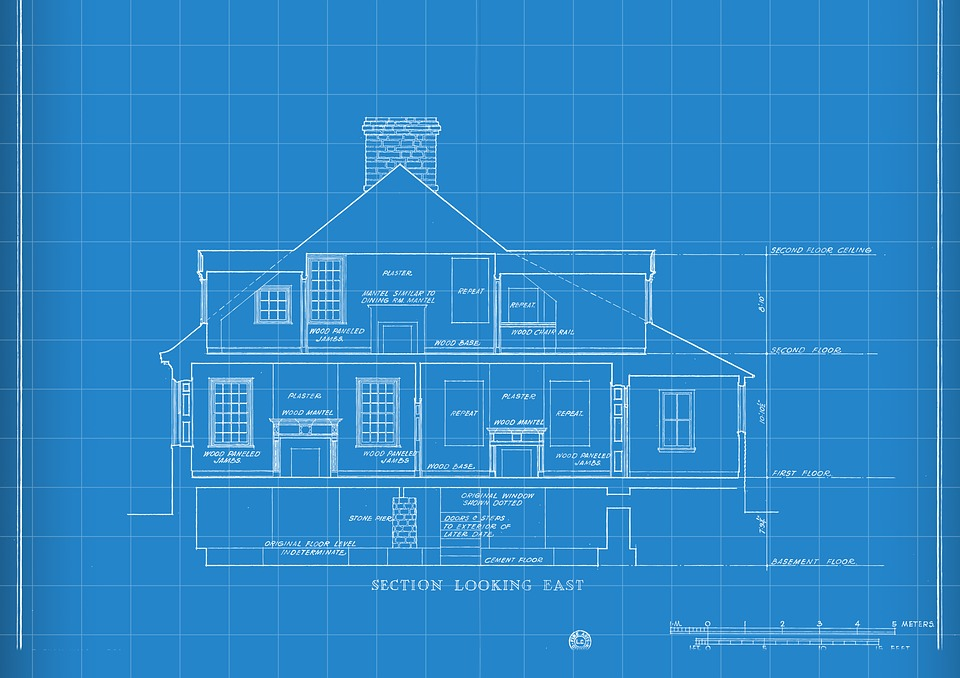
We know that minimalist choices at the level of a single element can strengthen it as an ingredient. In the same way, a collection of these choices coming together as a base blueprint helps guarantee that the production process consists of steps forward with minimal revisions and false starts.
This is also relevant in the realm of user experience. Your customers and users are always trying to take some kind of step forward when using their digital tools. They want to be in sync with the forward momentum of the service or product, and this makes the users sensitive to the texture of the product’s design.
This is why strong and competent work at the faceless, non-social level of coding can affect the emotional, instinct-driven user experience of the software in the end. Put simply, the way a product was made will inevitably affect its representation and feel in the world of user experience.